When a customer walks into our showroom, sipping coffee and squinting at the wall of sample flooring boards that catch the afternoon sun, I hear the same question more times than I can count: “Is vinyl flooring actually a good fit for my sunroom?” It’s a fair question—sunrooms are unique spaces, right? They’re not your standard living room or bedroom; they’re right up against the outdoors, getting way more temperature swings, sunlight, and occasional moisture than most indoor areas. As a flooring supplier who’s installed vinyl in hundreds of sunrooms over the last 12 years, I’ve seen firsthand how this material works (and doesn’t work) in these tricky spaces, and today I’m breaking it down straight from the trenches. Flooring
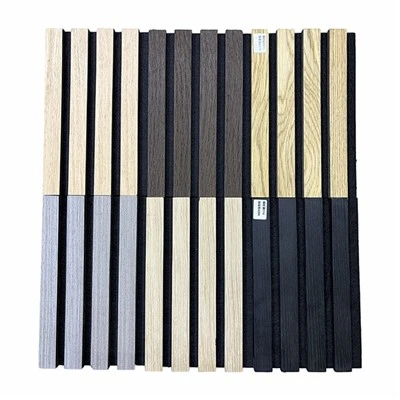
First, let’s get clear on what a sunroom’s environment throws at flooring. A sunroom sits between your home’s interior and the outside world. In the Midwest where I work, that means 90-degree heat and 80% humidity in July, then 10-degree wind chills in January, plus a constant barrage of UV rays from the unobstructed glass walls and roof. If you’ve got plants in there (who doesn’t? Sunrooms are plant heaven), you’ve also got accidental water spills from overwatered ferns or condensation dripping off the windows on cool mornings. And let’s not forget the heavy foot traffic—kids running through with wet sneakers, grills set up on the patio that people track inside, even pets with muddy paws after a rain. Flooring that works here has to hold up to all of that without warping, fading, or turning into a slippery mess.
Now, let’s talk vinyl. Not all vinyl is the same, and that’s a big mistake I see customers make: grabbing the cheapest vinyl planks at the big box store because it’s cheap, only to replace them two years later when they’re bubbled or faded. At our shop, we stick to two main types of vinyl for sunrooms: rigid core luxury vinyl planks (LVP) and vinyl sheet flooring. Both are way different from the flimsy, peel-and-stick vinyl you might remember from your grandma’s basement in the 90s—those were never built for sun exposure.
Rigid core LVP is my top pick for most sunrooms, and here’s why. First, the core material: most good rigid core planks use mineral composite, not the old gypsum or wood core stuff. That mineral composite is engineered to resist moisture, so even if condensation drips on it, or you spill a whole glass of lemonade watering a palm tree, it won’t swell or warp. I’ve had customers tell me they left their sunroom door cracked during a summer thunderstorm, and the floor stayed perfect—no buckling, no soft spots. Compare that to hardwood, which would cup and split in a week, or laminate, which would start peeling at the seams within a month. That moisture resistance is non-negotiable in a sunroom.
Then there’s the wear layer. A thick, reinforced wear layer is what keeps vinyl from fading under those harsh UV rays. Cheap vinyl has a wear layer of 6 mil or less, and by the second summer, you’ll see the color wash out, or the surface start to scratch when you move a patio chair. The LVP we carry for sunrooms has a 20 mil wear layer, sometimes even 30 mil for high-traffic sunrooms. I installed that 30 mil stuff last year for a customer who uses their sunroom as a seasonal dining space, and they’ve had zero fading after two years. They even move outdoor furniture in and out regularly, and the surface still looks new. The printed layer under the wear layer is also important—reputable vinyl brands use UV-stabilized ink, so it doesn’t break down from sunlight. I’ve seen un-stabilized ink fade to a pale, ghostly color in 18 months; that’s not a risk we take with the products we sell.
Vinyl sheet flooring is another option, especially if your sunroom has odd corners or you want a seamless look. Seamless is a huge plus here—no gaps where dirt can get trapped, and no seams that can lift from temperature changes. When the sunroom heats up, vinyl expands a tiny bit, and rigid core LVP has to be acclimated properly to prevent gaps, but sheet vinyl is more forgiving for smaller, less experienced do-it-yourselfers. That said, sheet vinyl does have a thinner wear layer, usually around 12 mil, so it’s better for sunrooms that don’t get constant heavy traffic. If you have a sunroom that’s just for relaxing with plants, not hosting barbecue parties, sheet vinyl works great.
But wait—before you run out and buy vinyl, there are a few caveats that I always point out to customers. First, installation matters way more in sunrooms than in a regular bedroom. If you don’t acclimate the vinyl properly, it won’t expand or contract with the temperature changes, and you’ll get gaps in the planks or sheet. In the old days, we’d leave vinyl planks in the sunroom for 48 hours before installation to let them adjust to the temperature and humidity, but modern rigid core is more stable—though I still recommend a 24-hour acclimation period. Also, you can’t use the same underlayment you’d use for an indoor floor. We use a moisture-barrier underlayment for sunrooms, because even if the vinyl is waterproof, the subfloor (which might be concrete or plywood in the sunroom) can hold moisture that seeps up over time. That underlayment prevents that, and it also adds a little insulation, which helps keep the floor comfortable when the sunroom gets hot.
Another big caveat: not all vinyl is rated for commercial or high-moisture spaces. Some cheap LVP is only rated for indoor, low-moisture areas, and installing it in a sunroom will void the warranty. I once had a customer who bought a bargain LVP online, installed it in their sunroom, and when it faded, the manufacturer said it wasn’t rated for UV exposure. The stuff we carry is specifically labeled for “residential high-moisture environments” and has a UV resistance warranty—so if it fades in five years or less, we’ll replace it. That’s the peace of mind that comes with buying from a reputable supplier, not a random website.
Now, let’s talk about the upsides that make vinyl perfect for sunrooms, beyond durability. First, it’s easy to clean. Sunrooms are messy—dirt tracked in from the patio, pollen, plant sap, maybe even spilled wine from a happy hour. Vinyl is non-porous, so you just wipe it up with a damp mop and mild soap. No sweeping every hour, no scrubbing stains into grout (looking at you, tile), no worrying about using too much water like you would with hardwood. I had a customer with two kids and a golden retriever spill a whole bag of grass seed in their sunroom last spring—they just vacuumed, wiped the floor, and it was gone. That’s a huge win for anyone who spends time in their sunroom and doesn’t want to be tied down to cleaning.
It’s also budget-friendly compared to other sunroom flooring options. Let’s compare: hardwood for a sunroom can cost $8-$15 per square foot installed, and you’ll have to refinish it every 5-7 years to keep it from fading. Tile is $10-$20 per square foot, and it can crack if you drop a heavy pot, plus it’s cold under bare feet in the morning. Our premium rigid core LVP is $5-$10 per square foot installed, and you never have to refinish it—just keep it clean. That adds up to a lot of savings over 10 years. Even if you go with the top-of-the-line stuff, it’s still cheaper than most alternatives, and the durability means you won’t have to replace it anytime soon.
Wait, but what about that one thing everyone worries about: vinyl being slippery when it’s wet? I get it. If you spill water on a smooth vinyl sheet, it can be slick. But the LVP we carry has a textured, slip-resistant surface—called “enhanced ceramic bead” technology, actually. That texture keeps your feet from sliding even if you spill a glass of water, or if you step on a damp towel after a swim (yes, some customers turn their sunrooms into tiny poolside spots). I always tell customers to ask for the slip-resistant option, and that solves the problem. The cheap vinyl at the big box store is smooth, but the good stuff has the texture, so it’s safe for kids and pets.
Now, let’s talk about real-world examples, because I don’t like to talk in theories. Last year, I installed rigid core LVP in a sunroom for the Millers, who live in a old house on the outskirts of town. Their old sunroom had oak hardwood that cupped so bad they couldn’t open the French doors. They wanted something that would hold up to their three teenage kids, and also let their wife’s rose bushes thrive without ruining the floor. We went with a light gray rigid core LVP, 20 mil wear layer, slip-resistant. A year later, they came in and brought me a photo—no fading, no warping, the kids had spilled soda and mud and it all wiped right up. They even moved a grill into the sunroom last summer, and the floor didn’t get a single scratch. That’s the kind of result I see all the time.
On the flip side, I once had a customer who tried to install a cheap vinyl peel-and-stick product in their sunroom, and it failed in six months. The adhesive broke down from the sun, the planks warped, and they had to rip it all out and start over. That’s why I always stress that not all vinyl is created equal, and buying the right product from a trusted supplier is key. The stuff we carry is made specifically for sun-exposed, high-moisture spaces, so you don’t have to guess if it’ll work.
So, is vinyl flooring suitable for a sunroom? The short answer is yes—if you pick the right type of vinyl, install it correctly, and go with a product that’s rated for sun and moisture exposure. It’s not the right choice if you want a natural wood look only (though some LVP looks almost identical to real oak, I know it’s not the same), but if durability, ease of cleaning, and budget are your top priorities, it’s hard to beat.

If you’re thinking about updating your sunroom flooring, I’d be happy to walk you through the samples, talk about the different wear layers and installation options, and answer any other questions you have. No pushy sales pitches, just straight talk from someone who’s installed this stuff in dozens of sunrooms and knows what works. Reach out to us today to set up a consultation and get a custom quote for your space.
Stone Coated Metal Roof Tile References:
- National Wood Flooring Association. (2022). "Flooring Performance in High-Moisture Environments."
- Resilient Floor Covering Institute. (2023). "UV Resistance and Durability Standards for Luxury Vinyl Plank."
- Consumer Reports. (2024). "Best Flooring for Sun Rooms and Outdoor Living Spaces."
- Waterproof Flooring Association. (2023). "Installation Guidelines for Rigid Core Vinyl in Temperature-Fluctuating Spaces."
Linyi Golden Highland Supply Chain Co., Ltd.
As one of the most professional flooring manufacturers and suppliers in China, we’re featured by quality products and good price. Please rest assured to wholesale durable flooring made in China here from our factory. Contact us for more details.
Address: Room 2601, Building 9, Hongxing International Plaza, Intersection of Jinan Road and Xiaohe Road, Liuqing Street, Lanshan District, Linyi City, Shandong Province
E-mail: richard@heyiwood.com
WebSite: https://www.goldenhighlandcn.com/
