If you’ve ever stared at a coffee stain on your favorite wool coat, or wondered how to refresh the musty scent that lingers after a rainy commute, you’ve probably asked yourself: “Can I dry clean a wool coat at home?” As a wool coat supplier, I get this question every single day—on our social media DMs, at trade show booths, and even from friends who know I work with wool fabrics day in and day out. For years, I’d field this question with a default “I don’t recommend it,” but over time, I’ve learned that the answer isn’t a simple yes or no. It’s a nuanced conversation that balances care for your investment, respect for the wool’s natural properties, and a little practical know-how. Let’s break this down, because when you love a well-crafted wool coat, you don’t want to ruin it with a mistake that’s easy to avoid. Wool Coat

First, let’s get one thing straight: professional dry cleaning and at-home “dry cleaning” are not the same. When you take a wool coat to a professional cleaner, they use percents or other specialized solvents formulated to break down oils, dirt, and stains without damaging the wool’s lanolin— the natural wax that makes wool soft, water-resistant, and able to regulate temperature. Most at-home dry cleaning kits, though, use pre-moistened cloths or single-use solvent pads that are diluted, one-size-fits-all, and designed for lightweight fabrics like cotton or polyester, not thick, tightly woven wool. That’s the first red flag if you’re considering the at-home route.
But wool is also resilient. It’s a fiber that’s been used for thousands of years because it can bounce back from small mishaps—wrinkles from being folded in a suitcase, light dust, or even a tiny food splatter. The key here is distinguishing between a full deep clean and a quick refresh. If your wool coat is just a little dusty, has a faint smell from being stored, or a minor scuff on the surface, at-home methods might work—if you do them right. But if it has set-in stains (like red wine, coffee, or oil) or is visibly soiled, you’re better off with a pro. I’ve seen way too many customers come to me with coats that shrank, faded, or lost their shape after using a store-bought dry cleaning kit on a heavily soiled piece.
Let’s talk about why wool is so delicate. Wool is a porous, protein-based fiber, similar to hair or skin. Harsh chemicals—even the ones in some at-home kits—can strip the lanolin, leaving the coat stiff, scratchy, or even discolored. I remember a customer a few years back who brought in a brand-new cashmere blend coat that she’d used a dry cleaning kit on to remove a spaghetti sauce stain. The stain was gone, but the coat’s once-soft texture was so rough she couldn’t wear it. That’s the kind of mistake we want to help you avoid. On the flip side, a well-made wool coat from our collection goes through a gentle finishing process that locks in lanolin and sets the weave. Disrupting that at home can undo all the work we put into making the coat feel luxurious.
Now, the “do’s” if you’re set on at-home care. First, always test any product on an inconspicuous spot—like the inner hem or the underside of a collar—before applying it to the whole coat. That way, if there’s any fading or discoloration, it’s hidden. Second, skip the heat. Wool doesn’t need high temperatures to dry, and heat can cause fibers to shrink or felt together. Felt is what happens when wool fibers rub against each other and mat, turning a smooth coat into a lumpy, shrunken mess. I’ve had a few clients accidentally felt their coats by hanging them near a radiator or using a hair dryer to speed up drying after at-home cleaning. It’s not pretty.
For light refreshes, the best at-home method isn’t even dry cleaning—it’s steaming. A handheld garment steamer (not a full-on steam iron, unless you use a press cloth) works wonders for removing wrinkles and musty smells. Hold the steamer 6 to 8 inches away from the coat, moving it slowly so the steam penetrates the fibers without getting them too wet. After steaming, hang the coat on a wide, padded hanger (never a wire hanger, which can leave shoulder bumps) in a well-ventilated area to air dry. This method is gentle, no harsh chemicals, and it preserves the lanolin. I recommend this to all our customers between professional cleanings, even if they’re using the coat multiple times a week.
If you do have a minor spot, like a drop of rain or a bit of dirt, you can spot-clean it at home with a mild, wool-safe detergent. Mix a tiny amount of detergent with cold water (hot water will set stains and shrink wool), dip a soft white cloth into the solution, and dab—don’t rub—the spot. Rubging will push dirt deeper into the fibers and can cause pilling. Once the spot is gone, dab with a clean, damp cloth to remove any soap residue, then blot dry with a towel and air dry. Again, test a hidden spot first to make sure the detergent doesn’t affect the color or texture.
Now, when should you not try at-home dry cleaning? Let’s be real. If your wool coat has any linings that are silk, rayon, or a synthetic blend, at-home kits can damage those linings too—especially if the kit’s solvent seeps through the wool. Silk linings, for example, can fade or develop water spots if exposed to harsh chemicals. Also, if the coat has embellishments: sequins, beads, embroidery, or leather trim. The solvents in at-home kits can melt sequins, discolor embroidery threads, or dry out leather until it cracks. I always tell customers with embellished wool coats to leave that to a professional who specializes in delicate fabrics.
Another big red flag: if your coat is made of a blend. Even if it’s mostly wool, blends often include synthetic fibers that react differently to at-home dry cleaning solvents. Polyester, for example, can warp or develop a shiny spot if exposed to certain chemicals, while spandex might lose its elasticity. Our coats are mostly 100% wool, but even so, we always tag them with care instructions that recommend professional dry cleaning for deep cleans—because we’ve tested our fabrics to know what works best.
That’s not to say at-home care is useless. For daily maintenance, it’s perfect. But here’s the thing: a high-quality wool coat is an investment. The coats we sell are designed to last for years, even decades, if cared for properly. Skimping on a professional dry cleaning when it’s needed can cut that lifespan short. Think of it like a nice pair of leather boots: you wouldn’t use dish soap to clean them, right? You’d use a leather cleaner that’s formulated to protect the material. The same logic applies to wool.
I’ve heard some people say, “I’ve been dry cleaning my wool coats at home for years and never had a problem.” That might be true for very light coats, or for people who only use the refresh methods instead of deep cleaning. But it’s a risk you don’t have to take. A professional cleaner who works with wool knows how to adjust the solvent strength, avoid over-wetting, and handle delicate linings and embellishments. They also know how to bring back the coat’s shape after cleaning—something that’s almost impossible to do at home.
If you’re still on the fence, let’s run through a quick checklist. If your coat is:
- Visibly soiled, has set-in stains, or smells musty despite airing it out → professional clean.
- Lightly dusty, has minor wrinkles, or a faint odor → steaming or spot-cleaning at home.
- Made of a blend with non-wool fibers, has silk/leather trim, or embellishments → professional clean, no exceptions.
Now, as a wool coat supplier, I want to make sure you’re getting the most out of your coat. That’s why we include care tags with every piece we sell, and that’s why I’m here to answer any questions you have about cleaning, storing, or caring for your wool coat. Whether you’re looking for a single coat to add to your wardrobe, or you’re a retailer interested in stocking high-quality wool coats, we’re here to help. We source only premium wool from responsible farms, and every coat is crafted to stand up to years of wear—with the right care, of course.
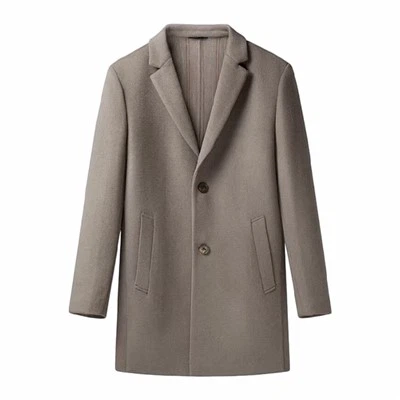
At the end of the day, the best way to care for a wool coat is to respect its natural properties. It’s not a fast fashion item that you’ll replace after a season; it’s a piece that can become a staple, even a heirloom, if you treat it right. So if your wool coat needs more than a refresh, don’t risk it with at-home dry cleaning. Reach out—we can point you to trusted cleaners, or if you’re in the market for a new coat that’s built to last, let’s connect. I’m always happy to chat wool, care tips, and finding the perfect coat for your needs.
Casual Wear References
- The Woolmark Company. Wool Care and Cleaning Guide. (2022)
- International Fabricare Institute. Best Practices for Cleaning Delicate Wool Garments. (2021)
- Textile Institute. Properties and Care of Protein-Based Fibers. (2020)
- American Association of Textile Chemists and Colorists. Solvent Effects on Wool Fabrics. (2019)
- The Leather and Wool Care Association. At-Home vs. Professional Garment Care. (2023)
Anhui Lida Garment Co., Ltd
We are one of the most experienced wool coat manufacturers and suppliers in China, specialized in providing high quality customized service to global clients. Please feel free to wholesale bulk high-end wool coat from our factory. Also, free sample is available.
Address: Intersection of Gulou North Street and Wei-3 Road, Chengguan Town, Shucheng County, Lu’an City, Anhui Province
E-mail: leaderclothing2026@163.com
WebSite: https://www.leader-clothing.com/
