Thermoelectric cooling is a technology that has gained significant traction in recent years, offering efficient and reliable solutions for various thermal management challenges. As a leading thermal solutions provider, I’ve witnessed firsthand the wide range of applications where thermoelectric cooling plays a crucial role. In this blog post, I’ll explore some of the most prominent applications of thermoelectric cooling thermal solutions and how they benefit different industries. Thermal Solutions

1. Electronics Cooling
One of the primary applications of thermoelectric cooling is in the electronics industry. Electronic devices generate heat during operation, and excessive heat can lead to performance degradation, reduced lifespan, and even system failure. Thermoelectric coolers (TECs) offer a precise and compact solution for maintaining optimal temperatures in electronic components.
CPU and GPU Cooling
In high-performance computers, central processing units (CPUs) and graphics processing units (GPUs) generate a substantial amount of heat. TECs can be used to cool these components directly, providing a more efficient alternative to traditional air or liquid cooling systems. By maintaining lower temperatures, TECs help to improve the performance and reliability of CPUs and GPUs, allowing for overclocking and extended usage without thermal throttling.
LED Lighting Cooling
Light-emitting diodes (LEDs) are energy-efficient lighting sources, but they also generate heat. Excessive heat can cause a decrease in light output, color shift, and reduced lifespan. Thermoelectric cooling can be integrated into LED fixtures to dissipate heat effectively, ensuring consistent performance and long-term reliability. TECs can also be used to control the temperature of LED drivers, which are sensitive to heat and can affect the overall efficiency of the lighting system.
Telecommunications Equipment Cooling
Telecommunications equipment, such as routers, switches, and base stations, generates a significant amount of heat during operation. Thermoelectric cooling can be used to maintain the temperature of these devices within a safe operating range, preventing overheating and ensuring reliable communication. TECs can be integrated into the equipment’s enclosure or used as part of a dedicated cooling system, providing a compact and energy-efficient solution for thermal management.
2. Medical and Laboratory Equipment
Thermoelectric cooling is widely used in medical and laboratory equipment to maintain precise temperatures for sensitive samples, reagents, and instruments. The ability to control temperature accurately and quickly makes TECs an ideal choice for applications where temperature stability is critical.
Blood and Vaccine Storage
Blood and vaccines need to be stored at specific temperatures to maintain their effectiveness. Thermoelectric cooling systems can be used to create and maintain the required temperature conditions in blood banks and vaccine storage units. TECs offer a reliable and energy-efficient alternative to traditional compressor-based cooling systems, providing precise temperature control and minimizing the risk of temperature fluctuations.
PCR Machines
Polymerase chain reaction (PCR) machines are used in molecular biology to amplify DNA sequences. These machines require precise temperature cycling to ensure accurate and reliable results. Thermoelectric cooling can be used to control the temperature of the PCR reaction chamber, providing rapid heating and cooling rates and precise temperature control. TECs can also be used to cool the PCR machine’s electronics, preventing overheating and ensuring stable operation.
Microscopy and Imaging Equipment
Microscopy and imaging equipment, such as fluorescence microscopes and confocal microscopes, require precise temperature control to maintain the quality of the images. Thermoelectric cooling can be used to cool the camera sensors and other sensitive components of these instruments, reducing thermal noise and improving image clarity. TECs can also be used to control the temperature of the sample stage, ensuring that the sample remains at a constant temperature during imaging.
3. Automotive and Transportation
Thermoelectric cooling is increasingly being used in the automotive and transportation industries to improve comfort, efficiency, and reliability. TECs offer several advantages over traditional compressor-based cooling systems, including compact size, low power consumption, and silent operation.
Seat Cooling
In hot climates, seat cooling systems can provide a more comfortable driving experience. Thermoelectric coolers can be integrated into the seats to remove heat from the body, reducing sweating and improving comfort. TECs offer a more efficient and precise alternative to traditional air-cooled seats, providing targeted cooling and minimizing energy consumption.
Battery Thermal Management
Electric vehicles (EVs) and hybrid electric vehicles (HEVs) rely on high-capacity batteries to power the motor. These batteries generate heat during charging and discharging, and excessive heat can reduce their performance and lifespan. Thermoelectric cooling can be used to manage the temperature of the battery pack, ensuring optimal performance and reliability. TECs can be integrated into the battery cooling system to provide precise temperature control and prevent overheating.
Cabin Cooling
Thermoelectric cooling can also be used to cool the cabin of vehicles, providing a more comfortable and energy-efficient alternative to traditional air conditioning systems. TECs can be integrated into the vehicle’s ventilation system to cool the air before it enters the cabin, reducing the load on the air conditioning system and improving fuel efficiency.
4. Aerospace and Defense
The aerospace and defense industries have strict requirements for thermal management, as electronic components and systems need to operate reliably in harsh environments. Thermoelectric cooling offers a lightweight, compact, and reliable solution for maintaining optimal temperatures in aerospace and defense applications.
Avionics Cooling
Avionics systems, such as flight control computers, navigation systems, and radar systems, generate a significant amount of heat during operation. Thermoelectric coolers can be used to cool these systems, ensuring reliable performance and preventing overheating. TECs offer a more efficient and lightweight alternative to traditional air or liquid cooling systems, making them ideal for use in aircraft and spacecraft.
Military Equipment Cooling
Military equipment, such as radios, night vision devices, and missile guidance systems, also requires precise temperature control to ensure reliable operation. Thermoelectric cooling can be used to cool these devices, providing a compact and energy-efficient solution for thermal management. TECs can also be used to protect sensitive electronic components from extreme temperatures and environmental conditions.
Spacecraft Thermal Control
Spacecraft operate in a harsh environment with extreme temperatures and radiation. Thermoelectric cooling can be used to manage the temperature of spacecraft components and systems, ensuring reliable operation and preventing damage. TECs offer a lightweight and reliable solution for thermal control in space, as they do not require any moving parts or refrigerant fluids.
5. Industrial and Manufacturing
Thermoelectric cooling is used in various industrial and manufacturing applications to maintain precise temperatures for processes and equipment. TECs offer a compact and energy-efficient solution for thermal management, making them ideal for use in a wide range of industries.
Laser Cooling
Lasers generate a significant amount of heat during operation, and excessive heat can cause damage to the laser components and reduce the quality of the laser beam. Thermoelectric cooling can be used to cool the laser gain medium, the laser diode, and other sensitive components, ensuring stable operation and high-quality laser output. TECs offer a more efficient and precise alternative to traditional water or air cooling systems, providing rapid cooling and temperature control.
Semiconductor Manufacturing
Semiconductor manufacturing processes require precise temperature control to ensure the quality and reliability of the semiconductor devices. Thermoelectric cooling can be used to cool the semiconductor wafers during processing, preventing thermal damage and improving the yield of the manufacturing process. TECs can also be used to control the temperature of the process equipment, such as furnaces and reactors, ensuring stable operation and consistent product quality.
Food and Beverage Processing
In the food and beverage industry, thermoelectric cooling can be used to maintain the temperature of products during processing, storage, and transportation. TECs can be used to cool food and beverage containers, refrigeration units, and display cases, ensuring that the products remain fresh and safe for consumption. Thermoelectric cooling offers a more energy-efficient and environmentally friendly alternative to traditional compressor-based cooling systems, reducing energy consumption and greenhouse gas emissions.
Conclusion
Thermoelectric cooling thermal solutions offer a wide range of applications in various industries, providing efficient and reliable solutions for thermal management challenges. As a thermal solutions provider, we are committed to developing innovative thermoelectric cooling technologies that meet the specific needs of our customers. Our products are designed to offer high performance, energy efficiency, and reliability, ensuring optimal temperature control in even the most demanding applications.
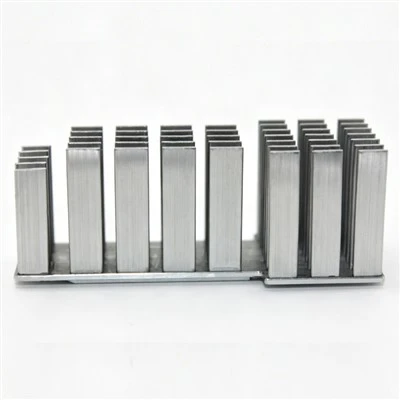
Aluminum Heat Sink If you are looking for a reliable and efficient thermal solutions provider for your next project, we would be happy to discuss your requirements and provide you with a customized solution. Contact us today to learn more about our thermoelectric cooling products and how they can benefit your business.
References
- Goldsmid, H. J. (2016). Thermoelectric Refrigeration. Springer.
- Rowe, D. M. (Ed.). (2012). Thermoelectrics Handbook: Macro to Nano. CRC Press.
- Venkatasubramanian, R., Siivola, E. S., Colpitts, T., & O’Quinn, B. (2001). Thin-film thermoelectric devices with high room-temperature figures of merit. Nature, 413(6856), 597-602.
- Bell, L. E. (2008). Cooler by design: The new science of thermoelectric. Science, 321(5895), 1457-1461.
- Chen, G., Dresselhaus, M. S., Dresselhaus, G., Ren, Z., & Tang, M. (2003). Recent developments in thermoelectric materials. International Journal of Thermophysics, 24(3), 1-47.
Dongguan Pioneer Thermal Technology Co., Ltd.
Dongguan Pioneer Thermal Technology Co., Ltd. is one of the most professional thermal solutions manufacturers and suppliers in China. With abundant experience, we warmly welcome you to buy customized thermal solutions made in China here from our factory. If you have any enquiry about quotation and free sample, please feel free to email us.
Address: Xiegang Village, Xiegang Town, Dongguan City, Guangdong Province, 523596, China
E-mail: vivian@ptheatsink.com
WebSite: https://www.coolingheatsink.com/
