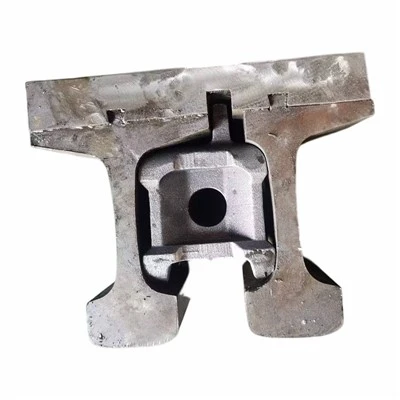
As a chilled cast iron parts supplier, ensuring the uniformity of properties in our products is of utmost importance. Chilled cast iron is a unique material known for its excellent wear resistance, high hardness, and good mechanical properties. However, achieving consistent properties throughout the parts can be a challenging task due to various factors involved in the casting process. In this blog, I will share some of the key strategies and techniques we employ to ensure the uniformity of properties in chilled cast iron parts. Chilled Cast Iron Parts
Understanding the Basics of Chilled Cast Iron
Before delving into the methods for ensuring property uniformity, it is essential to have a basic understanding of chilled cast iron. Chilled cast iron is produced by rapidly cooling the molten metal in a mold, which results in the formation of a hard, wear – resistant surface layer called the chilled layer. The depth and properties of this chilled layer depend on several factors, including the chemical composition of the iron, the cooling rate, and the mold design.
The chemical composition of chilled cast iron typically includes elements such as carbon, silicon, manganese, chromium, and nickel. These elements play a crucial role in determining the hardness, strength, and wear resistance of the material. For example, carbon is the primary element that contributes to the formation of hard carbides in the chilled layer, while silicon helps to control the graphite formation and improve the fluidity of the molten metal.
Controlling the Chemical Composition
One of the most critical steps in ensuring the uniformity of properties in chilled cast iron parts is to control the chemical composition of the molten metal. We use advanced melting techniques and precise alloying processes to achieve the desired chemical composition within narrow tolerances.
We start by carefully selecting high – quality raw materials, including pig iron, scrap steel, and ferroalloys. These raw materials are analyzed using spectroscopy to determine their chemical composition accurately. Based on the analysis results, we calculate the exact amounts of each element required to achieve the target composition for the chilled cast iron.
During the melting process, we use electric arc furnaces or induction furnaces to melt the raw materials. We continuously monitor the temperature and chemical composition of the molten metal using in – line sensors and sampling techniques. If the composition deviates from the target values, we make appropriate adjustments by adding the necessary alloying elements.
Optimizing the Cooling Rate
The cooling rate is another critical factor that affects the properties of chilled cast iron parts. A uniform cooling rate is essential to ensure the formation of a consistent chilled layer throughout the part.
We use a combination of mold design and cooling techniques to control the cooling rate. For example, we design the molds with proper gating and risering systems to ensure that the molten metal fills the mold cavity evenly and solidifies in a controlled manner. The gating system helps to direct the flow of molten metal, while the risering system provides additional metal to compensate for shrinkage during solidification.
In addition to mold design, we also use external cooling methods such as water cooling or air cooling to control the cooling rate. Water cooling can be very effective in achieving rapid cooling, but it needs to be carefully controlled to avoid thermal shock and cracking of the parts. Air cooling is a more gentle cooling method, which can be used to slow down the cooling rate in certain areas of the part.
Heat Treatment
Heat treatment is an important process that can be used to further improve the uniformity of properties in chilled cast iron parts. After casting, the parts are often subjected to a heat treatment cycle to relieve internal stresses, improve the hardness and toughness, and refine the microstructure.
One common heat treatment method for chilled cast iron is annealing. Annealing involves heating the parts to a specific temperature and holding them at that temperature for a certain period of time, followed by a slow cooling process. This helps to reduce the internal stresses and improve the machinability of the parts.
Another heat treatment method is quenching and tempering. Quenching involves rapidly cooling the parts from a high temperature, which results in the formation of a hard martensitic structure. Tempering is then carried out to reduce the brittleness of the quenched parts and improve their toughness.
Quality Control and Inspection
To ensure the uniformity of properties in chilled cast iron parts, we have a comprehensive quality control and inspection system in place. We use a variety of non – destructive testing methods, such as ultrasonic testing, magnetic particle testing, and X – ray inspection, to detect any internal defects in the parts.
We also conduct mechanical testing on the parts to measure their hardness, strength, and toughness. Hardness testing is typically carried out using a hardness tester, such as a Rockwell or Brinell hardness tester. Tensile testing is used to measure the strength of the parts, while impact testing is used to evaluate their toughness.
In addition to non – destructive testing and mechanical testing, we also perform metallographic analysis on the parts to examine their microstructure. Metallographic analysis helps us to understand the distribution of phases and the quality of the chilled layer, which is crucial for ensuring the uniformity of properties.
Employee Training and Process Monitoring
Our employees play a crucial role in ensuring the uniformity of properties in chilled cast iron parts. We provide regular training to our employees on casting processes, quality control, and the use of advanced equipment. This helps to ensure that they have the necessary skills and knowledge to perform their jobs effectively.
We also monitor the casting process closely using process control systems. These systems collect data on various process parameters, such as temperature, pressure, and flow rate, and compare them with the set target values. If any deviations are detected, the process can be adjusted immediately to ensure the quality of the parts.
Conclusion
Ensuring the uniformity of properties in chilled cast iron parts is a complex but achievable goal. By controlling the chemical composition, optimizing the cooling rate, using appropriate heat treatment methods, implementing a comprehensive quality control and inspection system, and investing in employee training and process monitoring, we can produce high – quality chilled cast iron parts with consistent properties.
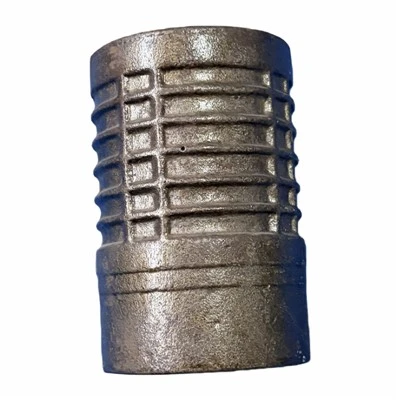
Ductile Iron Casting If you are in the market for chilled cast iron parts and are looking for a reliable supplier, we would be more than happy to discuss your requirements. Our team of experts has extensive experience in producing chilled cast iron parts with uniform properties, and we are committed to providing you with the best products and services. Contact us to start a procurement discussion and see how we can meet your needs.
References
- Campbell, J. (2003). Castings. Butterworth – Heinemann.
-ASM Handbook Committee. (2004). ASM Handbook Volume 15: Casting. ASM International. - Flemings, M. C. (1974). Solidification Processing. McGraw – Hill.
Sangroove (Jiangsu) Machinery Co., Ltd.
Sangroove (Jiangsu) Machinery Co., Ltd. is one of the most professional chilled cast iron parts manufacturers and suppliers in China, also supports customized service with low price. Please feel free to wholesale cheap chilled cast iron parts in stock here from our factory. Also, pricelist is available.
Address: No. 789, Hengyang South Road, Jinhu County, Huai’an City, Jiangsu Province
E-mail: quote@sangroove.com
WebSite: https://www.sangoh.com/
