If you’re in the industrial piping, water treatment, or fluid transport space, you’ve probably encountered steel-plastic joints before—those hybrid fittings that weld metal pipe to plastic pipe, like PVC, CPVC, or HDPE. As a supplier of these joints, I get this question every single week: “Will this joint hold up to the medium I’m running through my system?” It’s not a one-size-fits-all answer, and cutting corners here leads to headaches—leaks, downtime, even equipment damage. Let’s break this down like I explain it to our regular clients, no stuffy engineering jargon unless it’s necessary, and we’ll cover the most common media you’ll deal with. Steel-plastic Joint

First, let’s do a quick recap of what a steel-plastic joint actually is, because not everyone gets the basics. Unlike a full metal pipe, the joint has two parts: one end that’s welded to carbon steel pipe (super strong, handles high pressure and extreme temps) and the other that’s fused, glued, or threaded to plastic pipe (light, corrosion-proof, cheap for low-to-medium pressure runs). The middle piece is the critical part that sits between metal and plastic, so its compatibility with your medium is what makes or breaks the fitting. Our joints use two common middle layers: EPDM rubber for most standard applications, and FKM (Viton) for harsher stuff. That choice alone is the first call you’ll need to make.
Let’s start with the most common medium everyone asks about: potable water. That’s water you drink, right? Like municipal water, well water, even bottled water processing. This is where steel-plastic joints shine, almost always. Why? Potable water is usually neutral—pH between 6.5 and 8.5, no super harsh chemicals, low to moderate pressure. Our standard EPDM gasket joints are FDA-approved for potable water, so they don’t leach weird stuff into the water. We’ve got clients in residential plumbing and small municipal water systems that have used our joints for 7+ years without a single leak. The only catch here is temperature: if your water is over 140°F (like hot water for a commercial kitchen), EPDM is still fine, but if you’re going higher, you might need to switch to FKM. Wait, another thing: if your well water has high iron or manganese, that’s totally okay too—EPDM doesn’t react with those minerals, no discoloration, no degradation. We actually designed a batch for a well drilling company last year, and they haven’t had any complaints. That’s a no-brainer, right?
Next up: wastewater and sewage. This is trickier than potable water, because wastewater has all kinds of gunk—grime, oils, sometimes mild detergents, fluctuating pH (sometimes acidic, sometimes alkaline), and even small amounts of raw sewage. Our go-to here is still EPDM, but we make sure to mention that it’s for municipal-style wastewater, not industrial-grade with super strong chemicals. Wait, let’s be real: if you’re running raw sewage straight from a home’s line, EPDM works perfectly. We supply a lot of joints to residential septic system installers, and they tell us the joints hold up way better than full plastic ones, which crack when the line settles. The problem comes when sewage has added stuff, like industrial runoff with bleach or heavy cleaners. For that, FKM is non-negotiable. FKM resists mild acids and alkalis way better than EPDM, so it won’t break down even if your wastewater is a little aggressive. Last month, a food processing plant hit us up because their plastic joints kept leaking from cleaning chemicals in their wastewater, and switching to FKM steel-plastic joints fixed it overnight. That’s a concrete example, not just theory.
Now, industrial chemical media—this is where people mess up the most, because they just grab a joint without checking the chemical list. Let’s split this into two types: mild industrial chemicals, like dilute acids or alkalis used in cleaning, and harsh industrial chemicals, like strong acids (sulfuric, hydrochloric) or solvents (acetone, benzene). For mild stuff: EPDM works for dilute hydrochloric acid (under 10% concentration), dilute sodium hydroxide (lye, under 15%), and common cleaning agents like dish soap-based detergents. But for anything stronger, FKM is the only safe bet. FKM can handle up to 70% sulfuric acid, 40% hydrochloric acid, and most industrial solvents—we had a metal plating plant client that switched to FKM joints for their acid lines, and they went 12 months without a seal failure, whereas their old EPDM joints would leak every 3 months. Wait, but here’s a rule we always remind people: no joint is compatible with every chemical. If you’re dealing with something like concentrated nitric acid or pure acetone, you don’t want steel-plastic at all—go full metal or full plastic. We never push a joint that’s not a fit, because bad fit means bad rep for us and bad downtime for our clients. That’s why we ask for a sample of the medium if a client is unsure—we test it in-house for compatibility. It’s a small step, but it saves everyone a lot of trouble.
Then there’s oils and fuels—another super common medium for industrial sites, fleet maintenance, and agricultural equipment. This one depends on what kind of oil or fuel you’re running. If it’s diesel, gasoline, or light lubricating oil, EPDM is totally fine. We’ve got agricultural clients that use our joints for farm equipment fuel lines, and they say they never have issues even when it’s 90°F out and the fuel expands. The problem comes with synthetic oils or fuel blends, like E85 ethanol or biodiesel B20 and higher. EPDM doesn’t resist ethanol well—ethanol eats away at EPDM rubber over time, leading to cracks and leaks. For those, FKM is your guy. We supply a lot of fleet garages that handle E85; they switched to FKM joints and haven’t had a fuel leak since. Another thing: heavy oils, like industrial gear oil or hydraulic fluid—most of the time EPDM works, but if it’s a super high-viscosity synthetic hydraulic fluid, double-check with us. We test those regularly, because some synthetic fluids have additives that attack rubber gaskets.
What about gases? Wait, a lot of people don’t think about gas with steel-plastic joints, but we get questions about air, nitrogen, even compressed natural gas. For low-pressure air (under 100 PSI), EPDM works perfectly. It seals well, doesn’t degrade with regular air, and is cheaper than FKM. But if you’re running compressed natural gas (CNG) at high pressure, or industrial gases like nitrogen or oxygen, FKM is the only option. CNG can cause EPDM to swell over time, which leads to a bad seal. We had a small gas processing plant test our FKM joints for CNG lines last year, and after 6 months, the seal was still tight, no pressure drop. Just a quick note: for high-pressure gas, we also recommend a threaded steel end instead of a welded one, to make sure the joint holds. Welded is great for liquid, but threaded adds extra grip for high-pressure gas.
Now, let’s talk about the big pitfalls that people run into with steel-plastic joints. First, temperature extremes. Most EPDM joints only handle up to 212°F (100°C), and FKM tops out around 300°F (150°C). If you’re going higher than that—like steam lines at a power plant—steel-plastic isn’t for you, go all metal. On the flip side, super cold temps, like arctic conditions (-40°F/C or lower)—EPDM gets brittle, so you need FKM or a specialty silicone gasket. We had an oil drilling company in Alaska ask us about this, and we sent them FKM joints with silicone gaskets, which work perfect in their cold, remote lines. Another pitfall: mediums with high solids. If you’re running slurry—like water mixed with sand, gravel, or industrial sludge—abrasive solids can wear down the gasket over time. For that, we recommend a thicker EPDM gasket, or even a PTFE-lined middle layer, which is more resistant to abrasion. We did a run for a mining company last year with PTFE-lined steel-plastic joints, and they told us the gaskets lasted twice as long as standard ones.
Wait, let’s make this personal, like a supplier would. I’ve been working with steel-plastic joints for 8 years now, and the number one mistake I see is people assuming a joint works for all media. Last year, a manufacturing client bought 50 of our standard EPDM joints for their chemical line, didn’t tell us it had 25% lye, and 3 months later they had a leak that cost them $20k in downtime and cleanup. We fixed it by sending them FKM joints for free, but that taught us a lesson: we can’t just sell a joint, we have to make sure it’s actually compatible. That’s why every inquiry we get, we ask the same 3 questions: What’s the medium? What’s the pH (or chemical composition, if it’s industrial)? What’s the temperature and pressure? That’s all it takes to get the right fit.
Now, what about when compatibility is iffy? Like, if your medium is something not super common, or you’re not sure? We do free small-scale compatibility tests for any client—you send us a small sample of the medium, we put a gasket sample in it for 2 weeks, check for swelling, cracking, or discoloration, and tell you if it works. No charge, no strings attached. That’s a big perk of working directly with a supplier, not a middleman who just sells whatever’s on the shelf. We don’t want you to waste money on a joint that’ll fail, and we don’t want to deal with the hassle of returns.
Wait, let’s wrap this up with what this means for you, the person buying these joints. The compatibility of a steel-plastic joint isn’t a yes or no—it’s a spectrum, based on the gasket material (EPDM vs FKM vs specialty liners) and the medium you’re running. Potable water, mild wastewater, diesel: EPDM works. Harsh wastewater, chemical cleaning agents, E85, CNG: FKM works. Slurry, super abrasive industrial lines: thicker EPDM or PTFE-lined works. Anything outside that? We’ll tell you straight up if a steel-plastic joint is a bad idea, no hard sell.
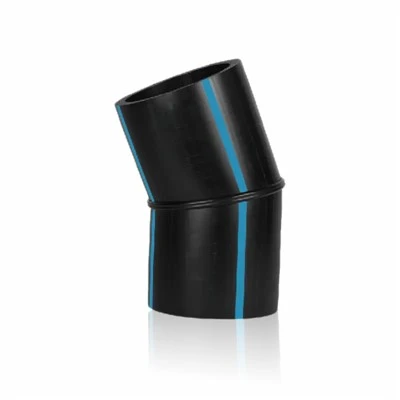
At the end of the day, a steel-plastic joint is only as good as its compatibility with your medium. Cut corners on that, and you’re looking at leaks, downtime, lost money. We’ve done this long enough to know that, and that’s why we prioritize matching the right joint to the right medium over making a quick sale. If you’ve got a project coming up, or you’re tired of your current joints failing, reach out—we’ll walk you through what you need, no stuffy sales pitch, just real talk about what works.
Hot Melt Pipe Fittings References
- ASME B31.3 – Process Piping: Compatibility Guidelines for Hybrid Metallic-Plastic Fittings
- ASTM D1414 – Standard Test Methods for Rubber Properties in Tension for Gasket Materials
- NSF/ANSI 61 – Standard for Drinking Water System Components: Compliance for EPDM Gaskets in Potable Water Applications
- Society of Plastics Engineers (SPE) – Technical Report on Chemical Resistance of FKM Elastomers for Industrial Fluid Systems
- International Association of Plumbing and Mechanical Officials (IAPMO) – Compatibility Standards for Hybrid Piping Joints in Residential and Commercial Applications
Yuyao Aoshi Hydraulic Components Manufacturing Co., Ltd.
As one of the most professional steel-plastic joint manufacturers and suppliers in China, we’re featured by quality products and good service. Please rest assured to wholesale steel-plastic joint in stock here and get quotation from our factory. Customized orders are welcome.
Address: Huilong village, Zhangting town, Yuyao city, Zhejiang province, China.
E-mail: renxuwei@vip.163.com
WebSite: https://www.jintongtrading.com/
